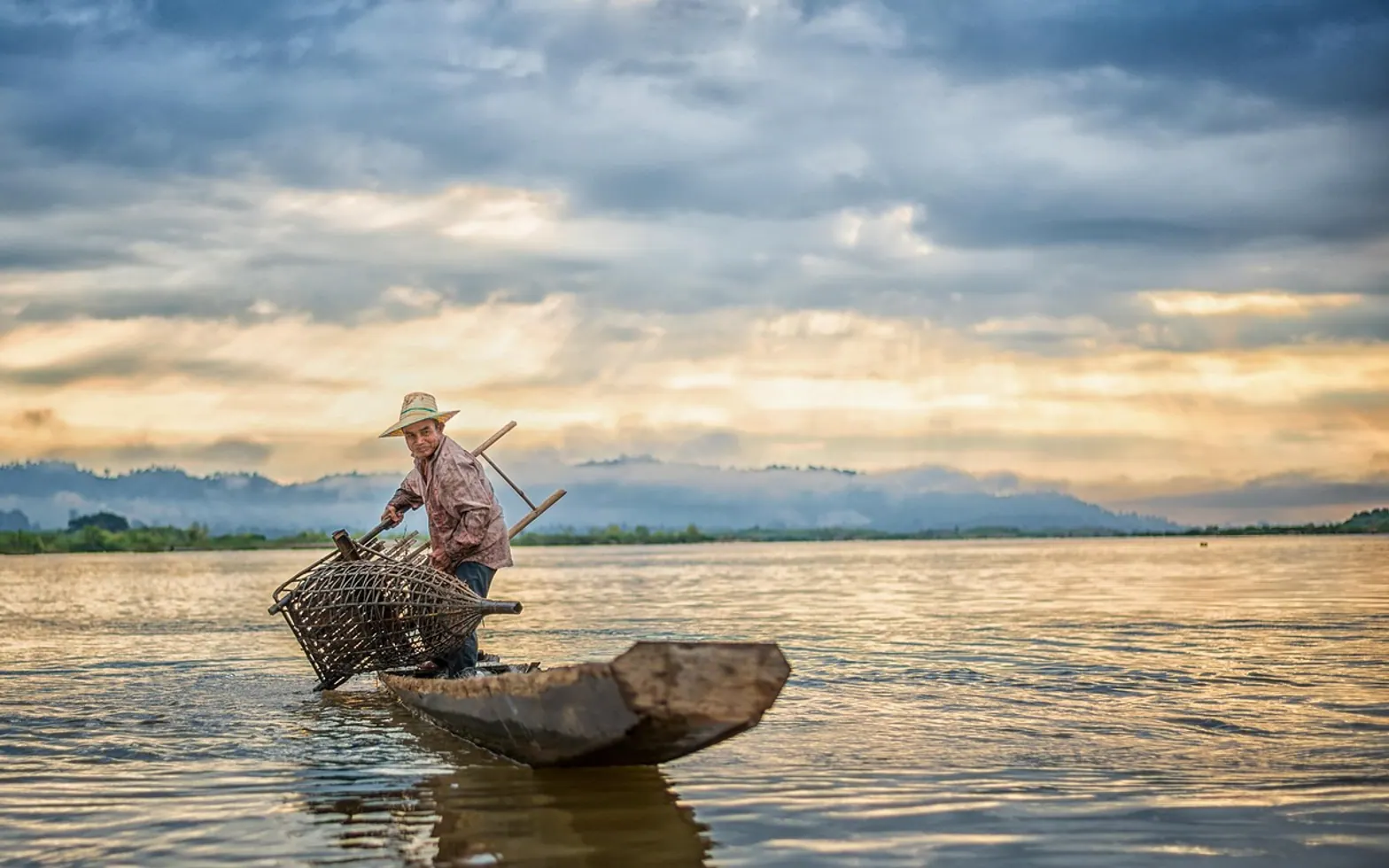
Fishing guides and charter crews share their days on the water online mostly as a working logbook: a few careful catch photos, a short note on conditions, the dates still open for booking and regular reminders about licences and local rules. Done well, a guide's feed tells a visitor what the fishing is really like, how the crew treats the fish and the water, and what to sort out before arriving at the dock.
Why a guide's feed matters to visitors
For anyone planning a fishing day while travelling, the pages that guides keep on photo-sharing platforms and short-video apps are often the most current source of information about a lake, river or stretch of coast. Brochures and printed maps change slowly; a guide who posts after each trip shows what happened last week. That makes the feed useful well beyond the booking itself, especially if fishing is only one part of a longer break, like the waterside outings in our guide to fishing and riverside leisure around a big city.
Catch photos that respect the fish
The catch photo is the heart of most fishing feeds, and the way it is taken says a lot about the operator. Guides who practise catch and release tend to follow a few simple habits that show up clearly in their pictures:
- The fish is held briefly, close to the water, and supported under the belly rather than hanging by the jaw or gills.
- Hands are wet before touching the fish, which protects its protective slime coat.
- The fish never lies on a dry deck, hot rocks or sand.
- Photos are taken quickly, with the camera ready before the fish leaves the net.
- A short clip of the release often follows, showing the fish swimming away under its own power.
Many guides also mention in the caption when a fish was kept for the table and why, for example because local rules allow a certain number and size. That openness also tells guests how their own catch will be handled.
Do guests appear in the photos?
Usually yes, but only with permission. Careful operators ask at the start of the day whether guests are happy to be pictured and tagged, and they keep faces out of posts for anyone who prefers not to appear. Children are often shown from behind or not at all.
Conditions reports: the most useful posts of all
Regular followers often value conditions notes more than the fish themselves. A short report after each trip can cover water clarity and level, wind, water temperature where the guide measures it, what the fish were feeding on and which areas were quiet. These posts help visitors pick a sensible week and pack the right clothing.
| What a report mentions | Why it helps a visitor |
|---|---|
| Wind and waves | Shows whether open-water trips are likely to run or move to sheltered spots |
| Water level and clarity | Explains why a river may fish well one week and slowly the next |
| Temperature trend | Hints at which species are active and how early the boat leaves |
| Quiet days | Gives an honest picture instead of a highlights reel |
The honest posts about slow days are worth noticing. A guide who admits that a morning produced little, and explains why, is usually the one whose good reports can be trusted.
Booking details without the hard sell
Most guides use their feed to point people to open dates, trip lengths, what is included and what guests need to bring. The clearest posts answer the practical questions up front: where to meet, how early, whether tackle is provided, whether food is included, what happens if the weather turns, and how many people fit on the boat. A pinned post or a short highlight with these basics saves a lot of back-and-forth messages.
Keeping this current takes time, and many small operators find the evenings after a long day on the water are not the moment for writing captions. Some keep it simple with a weekly post; others hand part of the scheduling and replies to an outside Social Media Management Service while still supplying the photos and notes from the boat themselves.
Safety and licence reminders
Good feeds return to safety regularly, not only when something goes wrong. Typical reminders include wearing a life jacket on the boat, bringing sun protection and a warm layer, letting someone know the plan when fishing alone from shore, and watching for changing weather.
Licence posts are just as important. Rules on permits, seasons, protected species, size limits and the number of fish that may be kept differ between regions and even between neighbouring waters, and they can change from year to year. Responsible guides do not try to summarise every regulation; they remind visitors to check the current local rules and to buy any required licence before the trip, and they say clearly when a licence is included and when it is not.
What should a visitor check before booking?
Look for recent conditions posts, photos that show careful fish handling, a clear note about licences and safety gear, and straightforward booking terms. If any of these are missing, a short message to the guide before paying will usually fill the gaps.
Seasonal planning posts
Towards the end of each season many guides publish a look ahead: which months suit which species, when the water tends to be busy, and when quieter shoulder weeks offer good fishing with fewer boats around. For travellers this is the moment to plan, since popular dates go early. These posts pair well with broader trip planning, and the approach in planning a day out that feels like a short holiday works just as well when the main event is a morning on a boat.
Reading a guide's feed with a traveller's eye
A fishing guide's online presence is at its most useful when it reads like a calm, regular diary of the water. Look past the single big fish and pay attention to the routine: how fish are handled, how often conditions are reported, how clearly booking and licence details are explained. Those everyday posts are the ones that tell you whether a day on the water with that crew will be safe, well organised and kind to the fishery you have come to enjoy.