Family vacations go best when the destination works for the youngest and the oldest person in the car. Beach towns, countryside cabins, lakes, farm stays, parks with short trails and cities with hands-on museums suit a wide range of ages because they mix easy activity with plenty of downtime. Choose the type of trip first, then the place, and plan around one highlight per day rather than a packed schedule.
Start with who is travelling
| Age group | What tends to work | What to watch for |
|---|---|---|
| Toddlers | Short drives, a garden or beach nearby, a fixed nap spot | Long drives, late dinners, steep paths |
| Young children | Animals, sand, water play, small adventures with a reward | Too many museums in a row |
| Tweens and teens | Some independence, an activity they chose, decent Wi-Fi | Itineraries planned entirely without them |
| Grandparents | Comfortable seating, step-free access, quiet evenings | Long walks with no place to rest |
Family vacation ideas
A beach town
The classic for a reason. Sand and shallow water entertain small children for hours, older ones can try body boarding or rock pooling, and adults get a deckchair. Choose a town with cafés and a promenade so there is something to do when the weather turns.
A cabin or cottage in the countryside
A rental with a garden gives children space to run while adults cook and rest. Look for walking routes from the door, a nearby farm shop and a games cupboard for evenings.
A park with short trails
National and regional parks offer visitor centres, ranger activities and trails of different lengths. Pick easy loops that end at a viewpoint, a waterfall or a picnic spot so little legs have a goal.
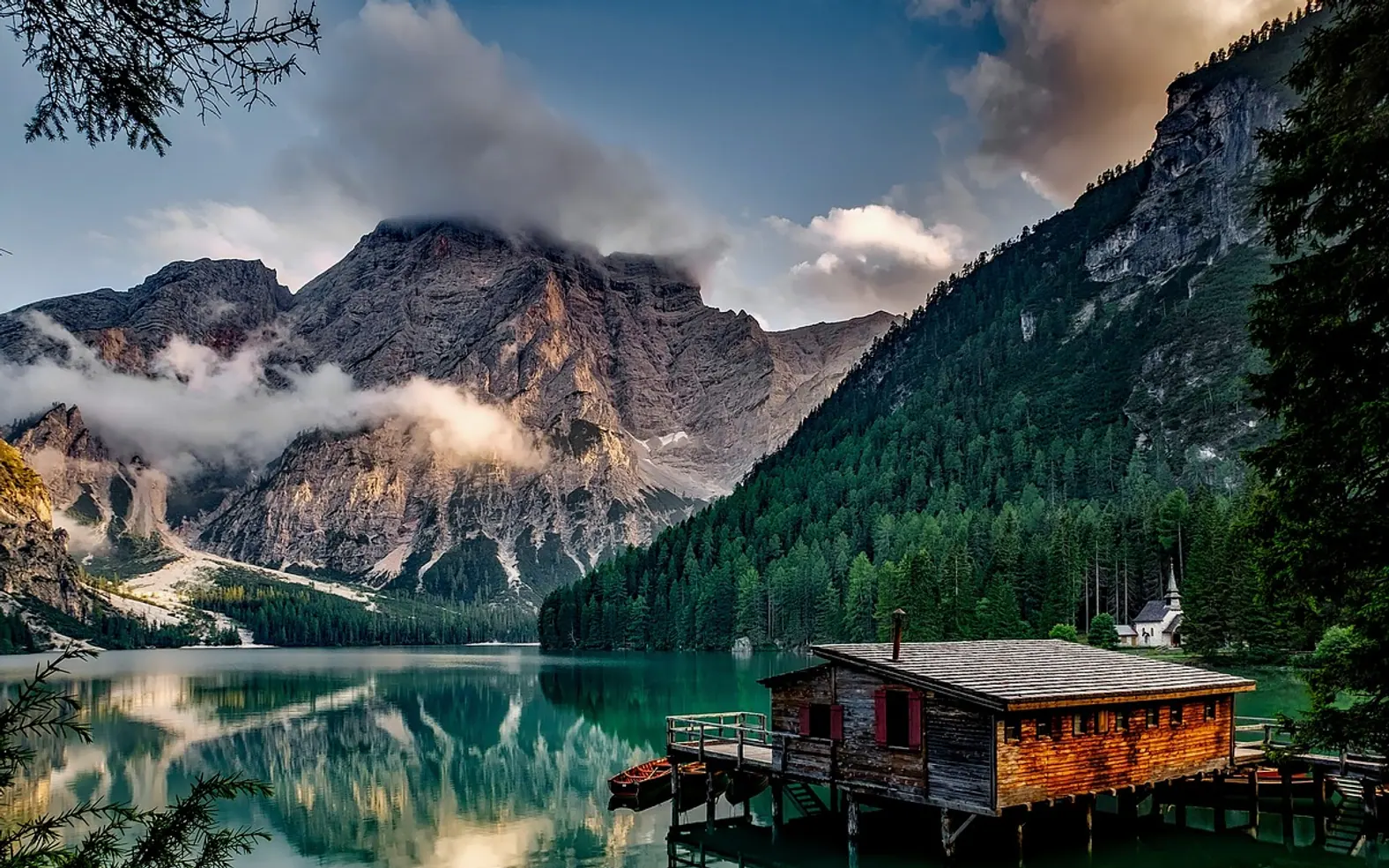
A lake holiday
Lakes combine swimming, paddling, boat trips and quiet shoreline walks. Children should always swim where it is permitted and with an adult watching.
A farm stay
Feeding animals, collecting eggs and watching tractors at work is a novelty for city children, and many farms welcome guests in self-catering cottages.
A city with hands-on museums
Science centres, aquariums, transport museums and big parks make a city break work for families. Limit it to one major attraction a day and spend the rest of the time in playgrounds and food markets.
A slow road trip
Instead of one long drive, string together two or three stops with a night in each. Every leg stays short, and the trip becomes a sequence of small arrivals.
A big shared house
For multi-generational trips, a large rental lets everyone share meals while still having private rooms. Grandparents can opt out of outings without missing the evenings together.
Fun family vacations on a shorter timescale
Not every family can take a week away. Many of the ideas above work as long weekends: a cottage for three nights, a beach town for two, a farm stay from Friday to Sunday. Our weekend getaway ideas go into shorter breaks, and for a single day out, the guide on how to plan a day trip covers timing and destinations.
Planning habits that keep everyone happy
- Let children help choose. Offer two or three options and let them vote. Ownership cuts down complaints later.
- Plan one highlight per day. Everything else is a bonus.
- Protect downtime. Afternoons by the pool, on the beach or in the garden are often what children remember best.
- Pack a separate travel-day bag. A small bag with snacks, water, wipes, a spare top and entertainment saves digging through suitcases.
- Book accessible rooms early if anyone needs step-free access or a ground-floor bedroom.
- Keep the last day light. A gentle final morning makes the trip home far calmer.
Small things that make a big difference
- A picnic lunch on travel days, packed using the list in how to plan a picnic.
- A clue trail on a rainy morning, built with the steps in how to make a scavenger hunt.
- A shared holiday journal where everyone adds a line or a drawing each evening.
- A disposable camera or an old phone for each child to take their own photos.
Common questions
What is the easiest kind of family vacation?
Usually a self-catering stay a short drive from home, near a beach, lake or park. Short travel and your own kitchen take a lot of pressure off.
How do you keep teenagers interested?
Give them a real say in the plan, let them pick at least one activity, and allow some time apart from the rest of the family.
How do you manage different bedtimes on holiday?
Accommodation with a separate living area makes a big difference, since adults can sit up while younger children sleep. Plan the busiest outings for the morning, keep evenings close to base and accept that routines will loosen a little.