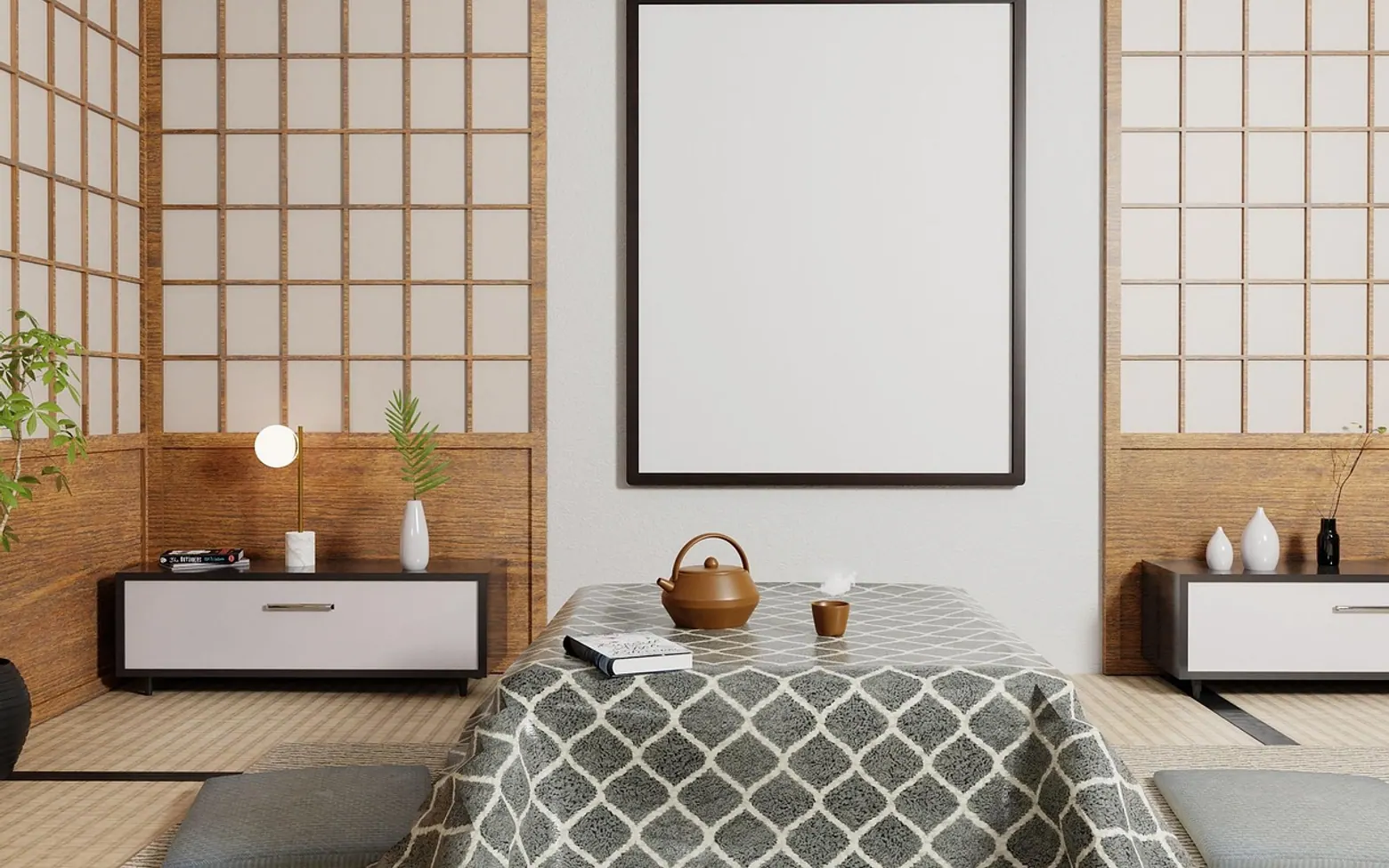
Gallery walls look wonderful in magazines and take a whole Sunday to hang in real life, with a level, a pencil and at least one hole in the wrong place. An oversized digital frame offers a different route to the same goal: a single, generous screen that can show a family archive, travel shots or favourite artwork in rotation. Used thoughtfully, it can anchor a room in the way a large painting does, while changing with the seasons.
Think of it as a piece of furniture
A big frame works best when it is planned as part of the room rather than added as a gadget. Consider scale first: above a sideboard or console, a screen roughly two-thirds the width of the furniture tends to look balanced. On a bare hallway wall, it can stand alone as a focal point. Hang it at a comfortable eye level for people standing or sitting, depending on where they will usually see it.
Finishes matter more than many people expect. Wooden or matte borders blend into warm, natural interiors, while slim black or metal edges suit minimal spaces. Some frames also use matte screens that reduce reflections, which helps in rooms with big windows.
Room by room
Living room
This is where an oversized screen makes its biggest impact. Choose a spot away from direct sun and close to a power outlet so cables can be hidden behind furniture or in a cable channel painted to match the wall.
Entrance and hallway
A frame here greets guests with a rotating welcome: recent holidays, children's drawings or seasonal scenes. Keep the slideshow slower in narrow spaces so it feels calm rather than busy.
Home office or study
Landscapes and abstract art can make a working corner feel less clinical, and a wide screen fills a blank wall behind a desk that might otherwise appear on every video call.
Curating what it shows
The best displays are edited, not dumped. A few habits keep the screen looking intentional:
- Build themed albums, such as summers, celebrations or black-and-white portraits, and swap them out every few weeks.
- Choose high-resolution images; a large screen reveals blur and noise that a phone hides.
- Mix orientations carefully or crop portraits so they do not float in empty bars.
- Add a little artwork or scanned prints alongside photos for variety.
- Set a night schedule so the screen dims or switches off when nobody is around.
Features worth looking for
When shopping for an extra large digital photo frame, it helps to look at screen resolution, how photos are uploaded (an app, cloud albums or email), whether it supports short videos, and whether relatives can send pictures to it remotely. Motion or light sensors that adjust brightness to the room make a real difference in daily use, as does a simple menu that anyone in the household can operate.
A wall with a story that keeps changing
Unlike a printed photo that slowly fades into the background, a rotating display keeps catching people's attention. Grandparents spot new pictures of grandchildren, guests ask about a place on the screen, and old holiday snaps get a second life. With the right placement and a bit of curation, one large frame can give a room both a centrepiece and a running family story.